
Yinson, Norwegian Tech Partners Ink Pilot Deal For Electric Ferries On Langkawi-Kuala Perlis Route By 2027
A pilot-stage MoU signed 1 October would bring two 100-passenger electric vessels to the Langkawi-Kuala Perlis crossing by 2027. The pitched frequency, though, outstrips what today's private ferry operators actually need to run — and the real questions are about port infrastructure, not the vessels.
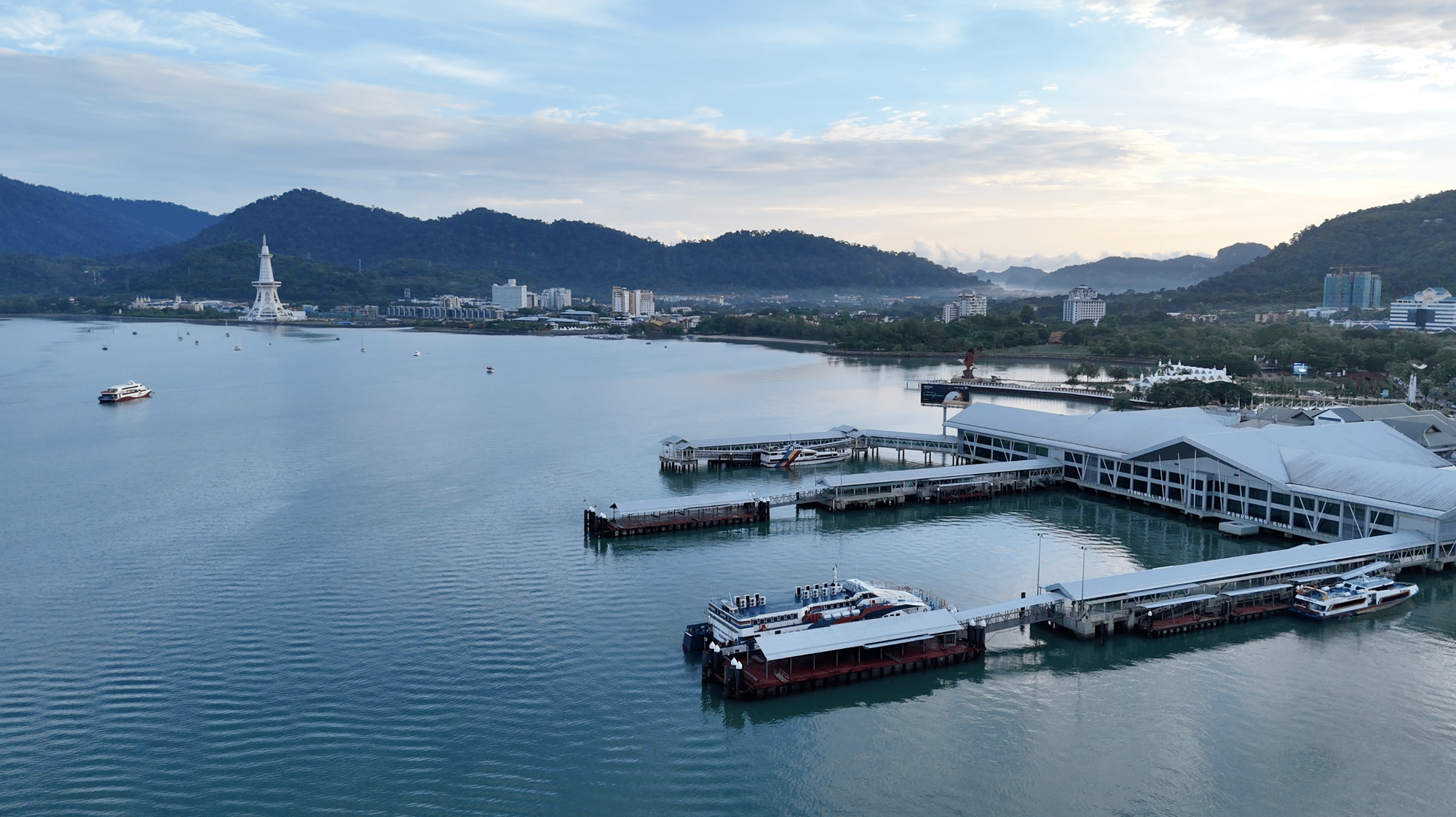
Malaysian energy and infrastructure group Yinson Holdings, through its Yinson GreenTech division and marinEV unit, has signed a memorandum of understanding with Langkawi Port Sdn Bhd (LPSB) and Tenaga Nasional Bhd to deploy electric passenger ferries on the Langkawi-Kuala Perlis route, backed by Norwegian maritime technology and vessels built in China.
The agreement — officially titled "Projek Rintis Kapal Elektrik Langkawi" (Langkawi Electric Vessel Pilot Project) — was signed on 1 October in a ceremony attended by Finance Minister II Datuk Seri Amir Hamzah Azizan and Kedah Menteri Besar Datuk Seri Muhammad Sanusi Md Nor. The "Projek Rintis" (pilot project) naming is worth noting on its own: this is a pilot-stage MoU, not a signed concession or a committed service, and LangkawiNews could not independently confirm a binding timeline beyond what was announced at the signing.
As outlined, two 100-passenger electric vessels — branded “Hydroferry” — would undergo sea trials from January 2027, with full deployment targeted for May 2027, timed to coincide with LIMA. marinEV, led by managing director Jan-Viggo Johansen, is drawing on autonomous-operation technology from Norway's Zeabuz; the vessels themselves are planned to be built in China, with technology transfer to Malaysian shipyards floated for later phases. Each vessel is pitched as capable of up to ten return trips a day, with a fast-charge turnaround of roughly an hour between sailings, and the service has been pitched as a complement to existing operations rather than a replacement.
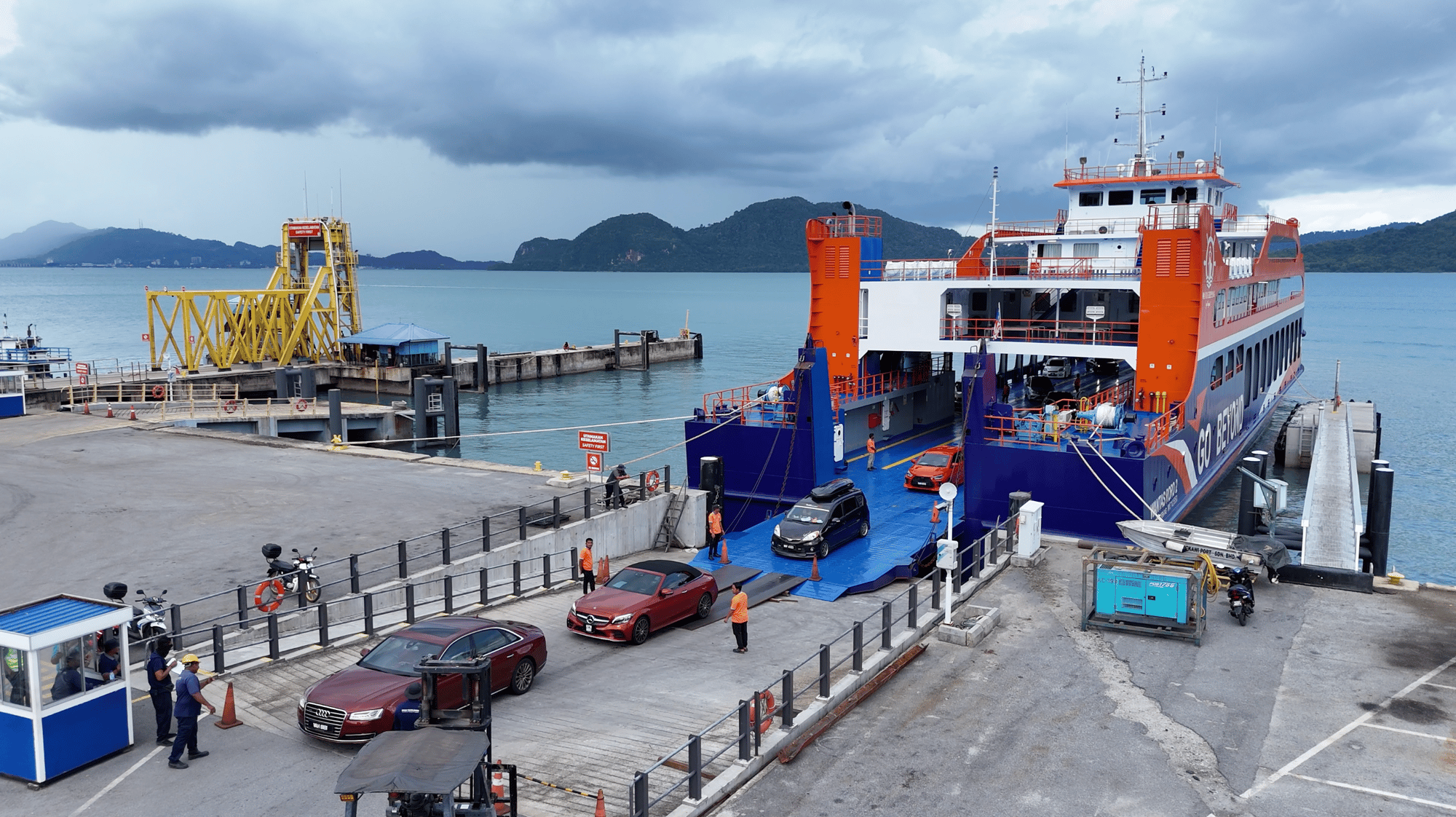
That “ten runs a day” figure is where the pilot project runs into Langkawi's actual ferry economics. The Langkawi-Kuala Perlis and Langkawi-Kuala Kedah passenger routes are run entirely by private operators, with no fuel subsidy or public-transport designation despite functioning as the main sea link for local residents — a status quo that has kept fares low for decades, largely because fare increases provoke public pushback. Existing operators already have the booking data to show that outside school holidays and public holidays, ridership runs at roughly 50-60% of capacity across about four daily round trips each way — nowhere near enough to fill ten. Ten daily runs would only make sense in peak Malaysian holiday periods or around major events like LIMA itself. Even if the pilot delivers exactly as pitched, it would not change the fundamentals of how people and goods actually reach Langkawi — it would, at best, add some light-vessel capacity during the handful of weeks a year when passenger demand genuinely outstrips what today's operators run.
Where the electric pitch does have real merit is cost. Diesel prices and maintenance have long squeezed the thin margins the private ferry operators run on, and if Hydroferry's economics hold up, going electric is a genuine structural advantage over the current fleet — not something to dismiss.
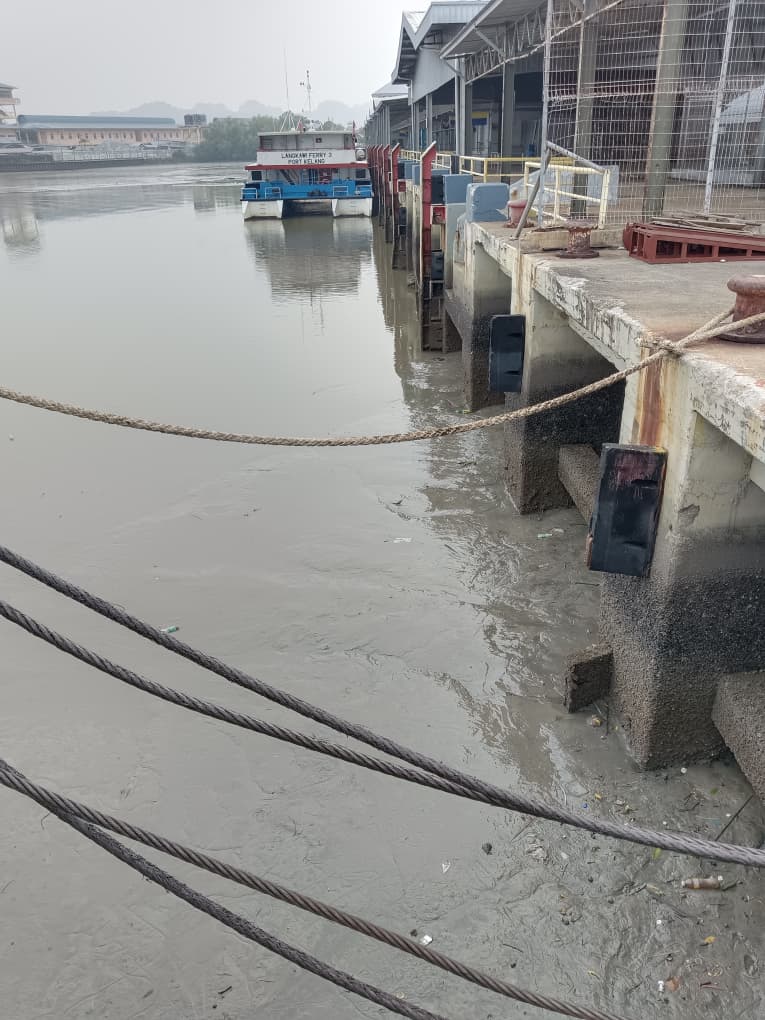
Infrastructure is the bigger open question. The river-mouth jetties at Kuala Perlis and Kuala Kedah already contend with significant silting — a long-running issue tied to upstream factors including deforestation, erosion and paddy-field drainage cycles — and require near-constant dredging just to keep today's diesel ferries running at low tide. Electric operations would add a further layer: charging infrastructure and the power capacity to support it, on both the Langkawi and mainland sides. Whether Jettypoint, Kuala Perlis and Kuala Kedah are presently equipped — or being prepared — for that is not addressed in the announcement, and LangkawiNews has not seen details of the charging infrastructure plan.
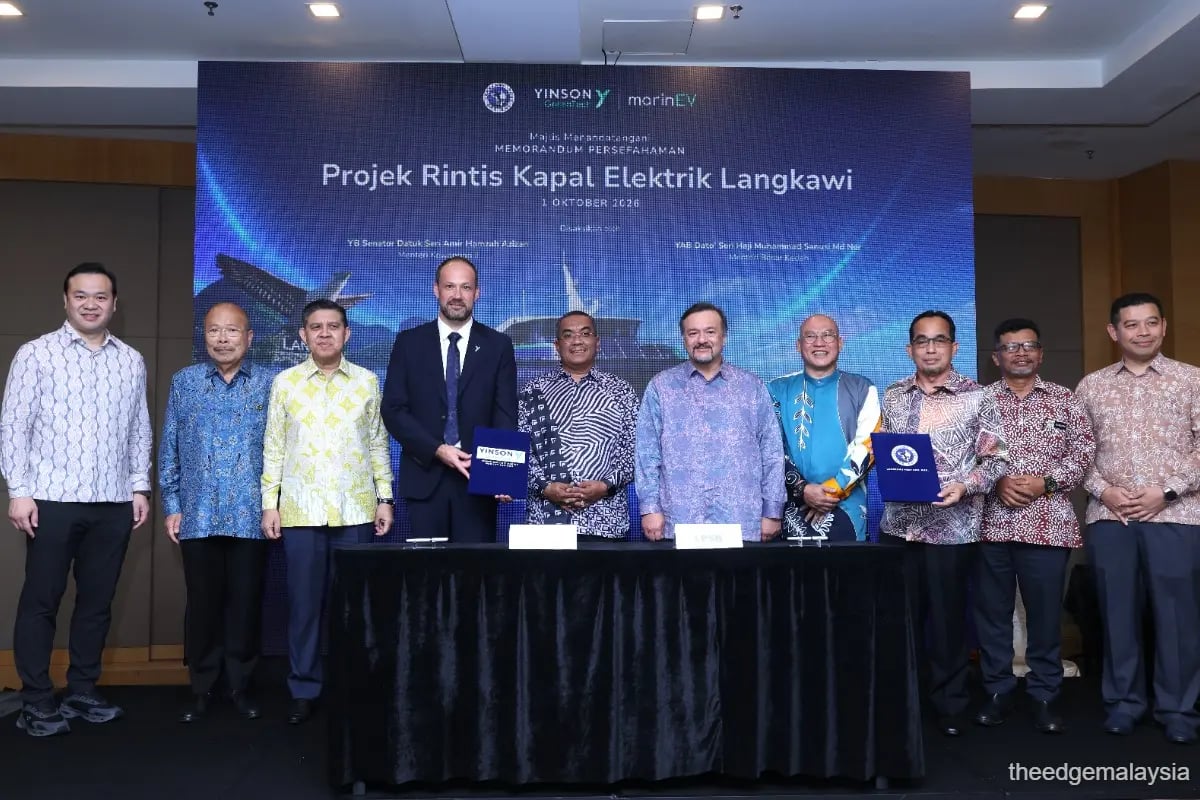
For all the state-level fanfare at the signing, it's worth being clear about what actually moves Langkawi forward. The island's growth has long run on air arrivals, which overtook ferry passenger numbers years before Covid and keep climbing with each new route, and on RORO vehicle-ferry capacity, which has expanded steadily to keep goods and vehicles flowing. Passenger ferry services sit a tier below that — a genuinely essential, if commercially thankless, local link that could occasionally use more lightweight capacity during peak high-season crunches, but not the piece of infrastructure Langkawi's future actually hinges on. A Malaysian company striking a photogenic pilot deal with foreign technology partners doesn't change that hierarchy, whatever the ceremony backdrop suggested.