
Gas exploration in Langkasuka Basin near Langkawi heats up. Seismic imaging results due this month
Exploration has moved well beyond early surveys. But potential is not discovery, and what it could mean for Langkawi is a question for later.
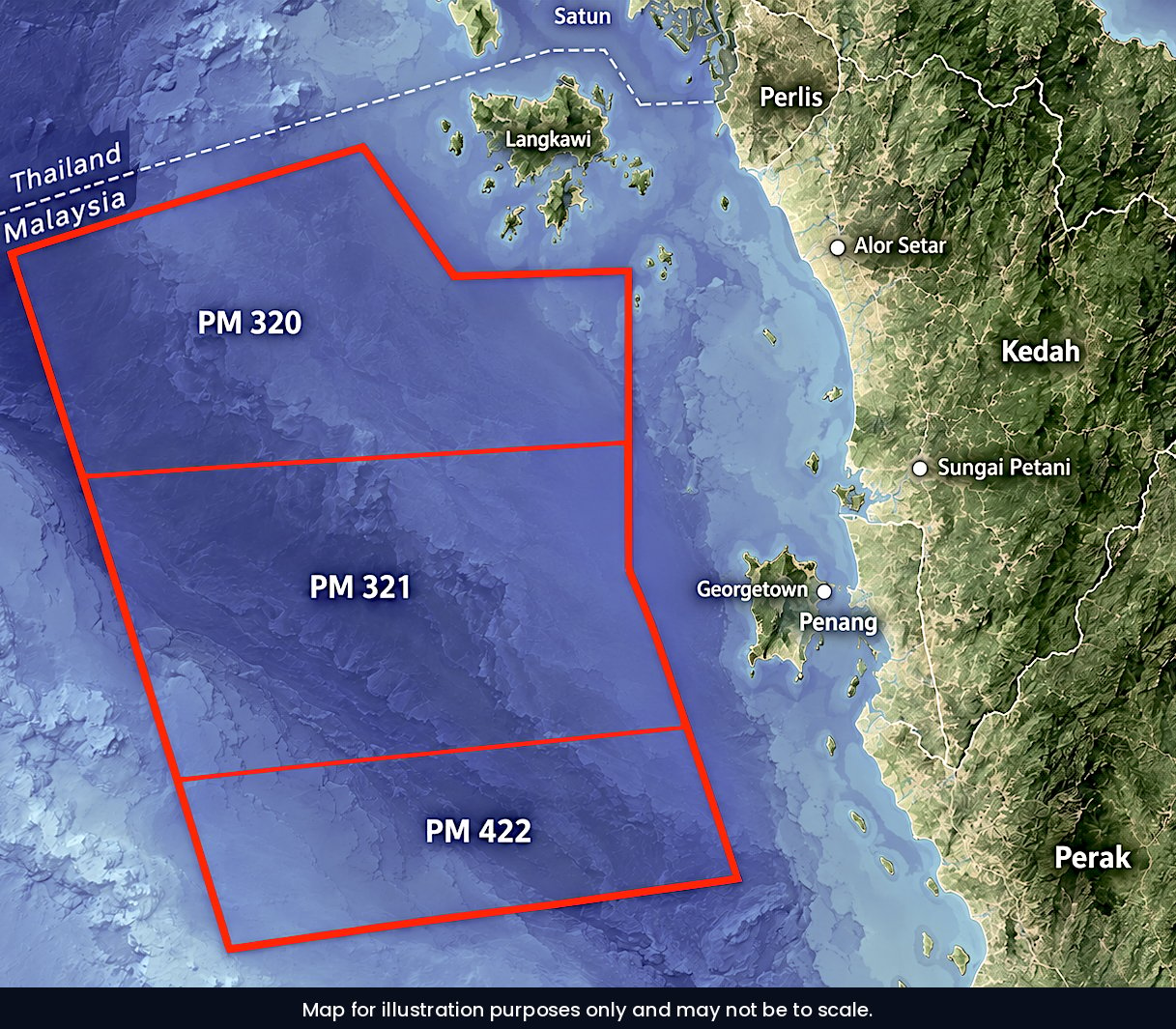
Exploration of the Langkasuka Basin, in the Malacca Strait off Kedah and Penang, has moved into a far more detailed stage. In August 2026, geoscience company Viridien began processing and imaging a new Langkasuka 3D seismic survey, combining about 12,300 sq km of streamer data with 3,300 sq km of ocean-bottom-node data. Viridien says early results are expected in October 2026.
The area of interest is made up of three offshore blocks, PM320, PM321 and PM422. At their closest, the blocks lie roughly 20 km off Langkawi's coast. It is not entirely new ground. A well called Singa Besar-1, drilled in 1989, encountered gas in very old Paleozoic carbonate rock, and that early result is part of why Petronas has kept looking at the basin's deeper layers. In late 2023, Petronas and Viridien partnered on an 8,000 km 2D seismic survey over PM320 and PM321, and the two blocks were offered in Malaysia's 2024 bid round. The 3D work now underway is the next, sharper look.
There is also a quieter connection to Langkawi itself. S&P Global notes that the Ular Member of the Singa Formation, exposed at Pulau Ular in Langkawi, shares similarities with rock units that geologists are tracing toward the offshore blocks. The ancient rocks that earned Langkawi its UNESCO Global Geopark status are, in other words, part of the regional geology that explorers are trying to understand beneath the seabed.
This is an exploration story, not a discovery story. The seismic work helps identify possible drilling targets, but only drilling can show whether commercially recoverable oil or gas exists. Whether the survey leads to drilling, whether drilling finds anything, whether a find is commercially viable, and where any shore-side support would be based are four separate questions. None has an answer yet. LangkawiNews found no announced drilling schedule or development timeline for the basin.
If exploration does lead somewhere, Langkawi's most natural role would be light marine servicing. The island already has the base for it, starting with Lunas Shipyard, alongside marine engineering expertise and marinas and boatyards around the sheltered waters of the south and centre.
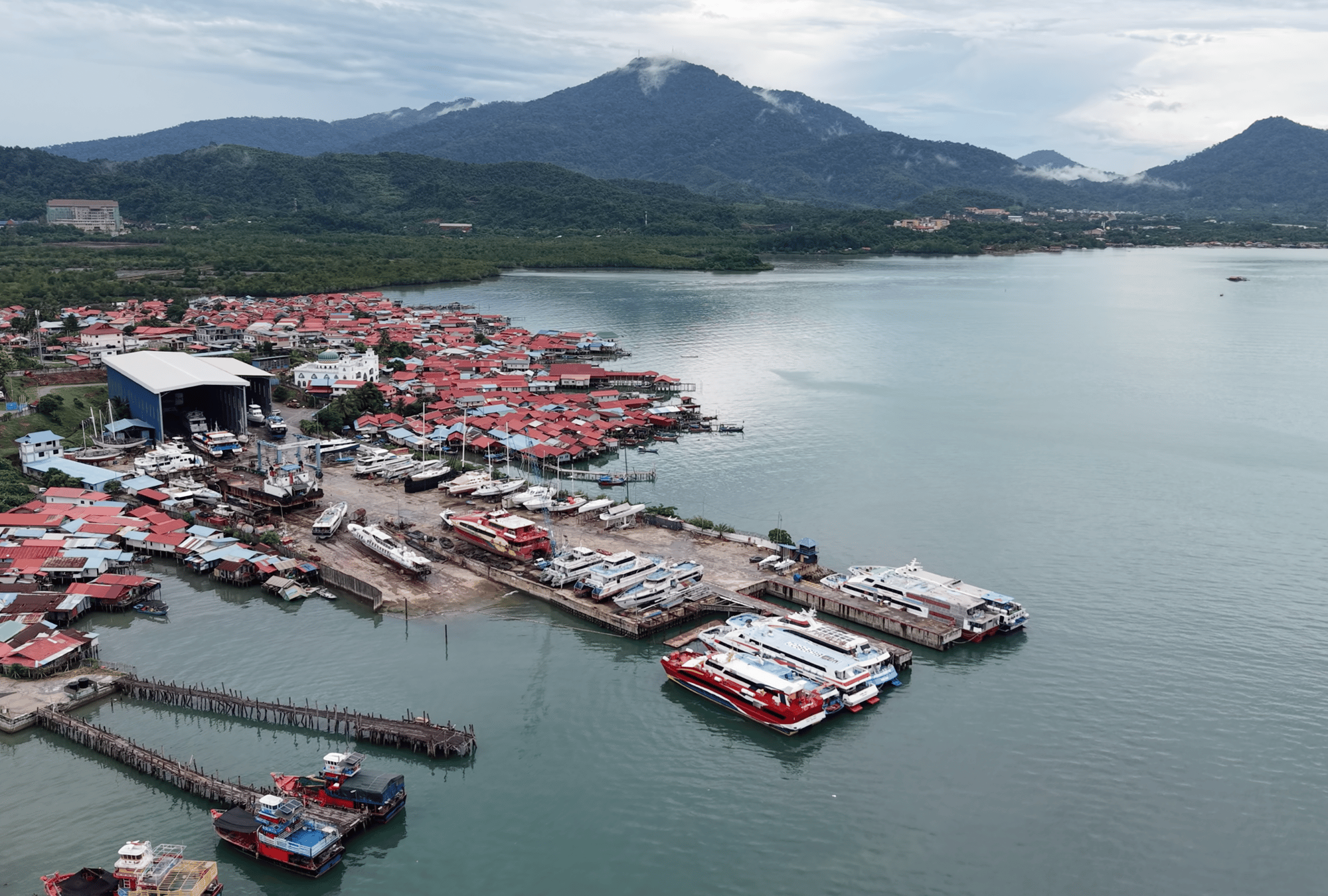
Northern Shipyard is home to KNAE, which is building vessels for the Nigerian Navy. It sits beside a fishing village, with vessels hauled out on its slipways.
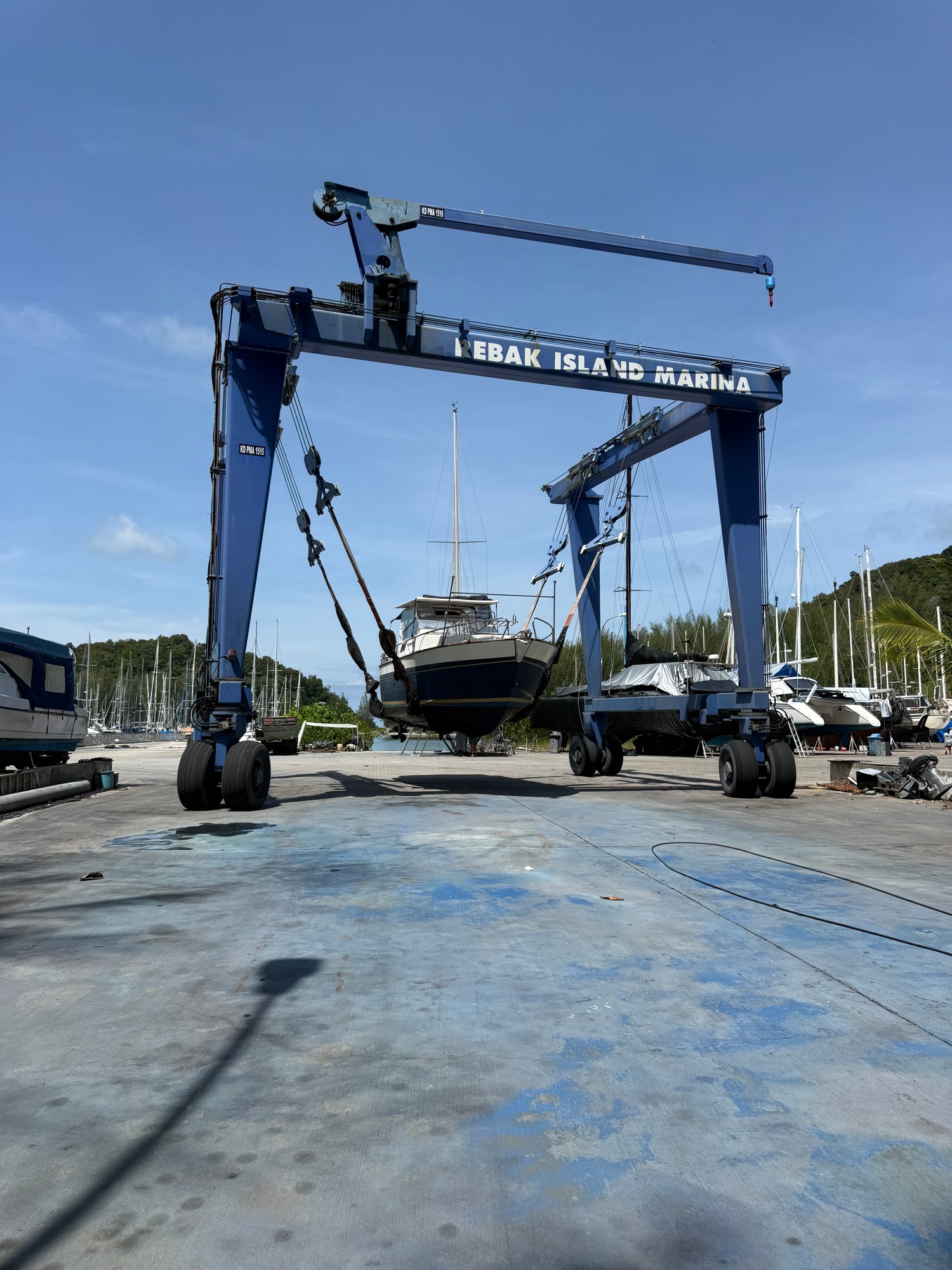
Rebak Island Marina lists 189 wet berths and 70 dry berths, along with a 65-tonne marine travel lift.
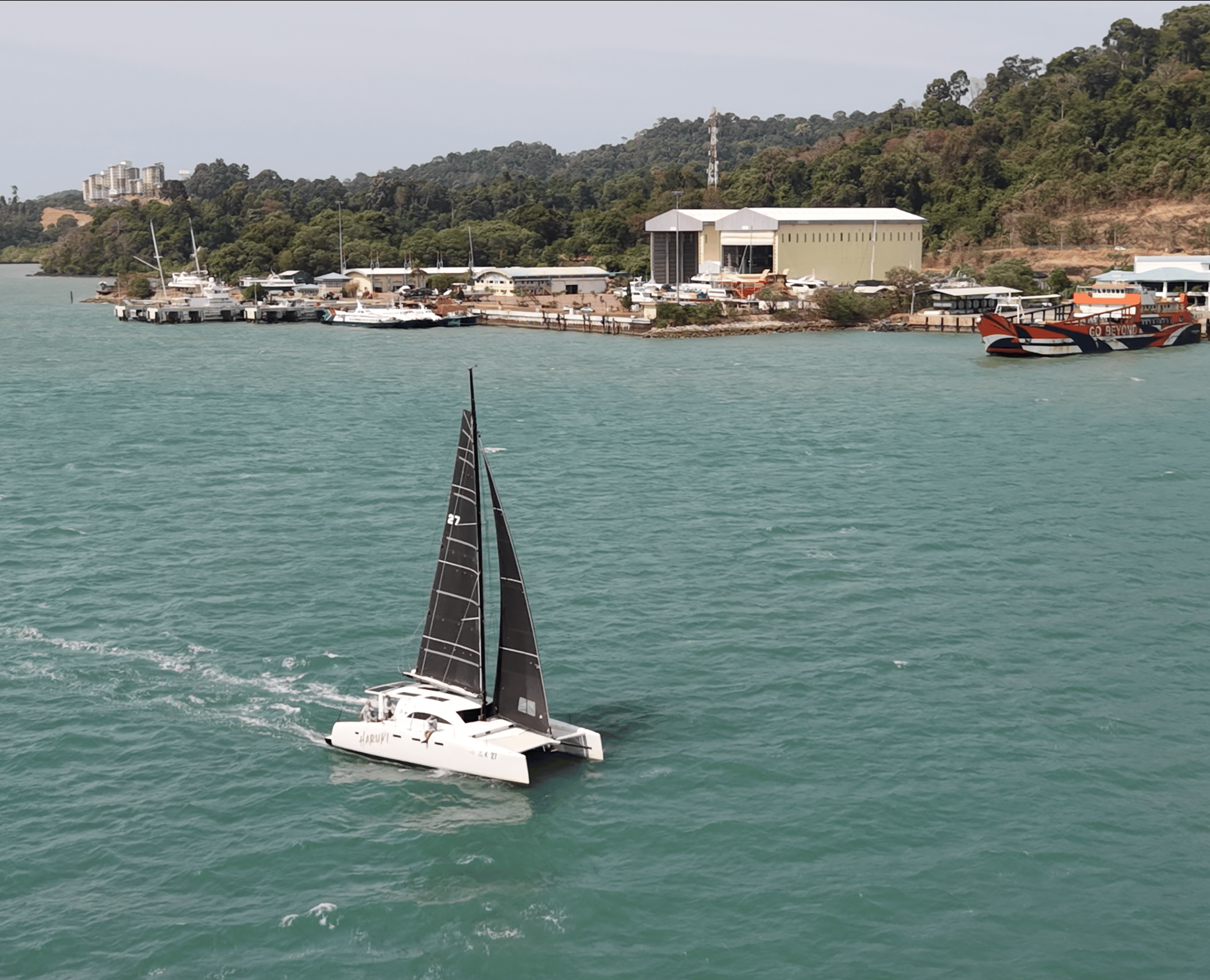
More is coming. Resorts World Langkawi and ONE°15 Marina have announced that the resort's marina will become ONE°15 Marina Langkawi, with more than 90 berths for yachts of up to 140 feet, expected to welcome its first yachts in the second half of 2027.
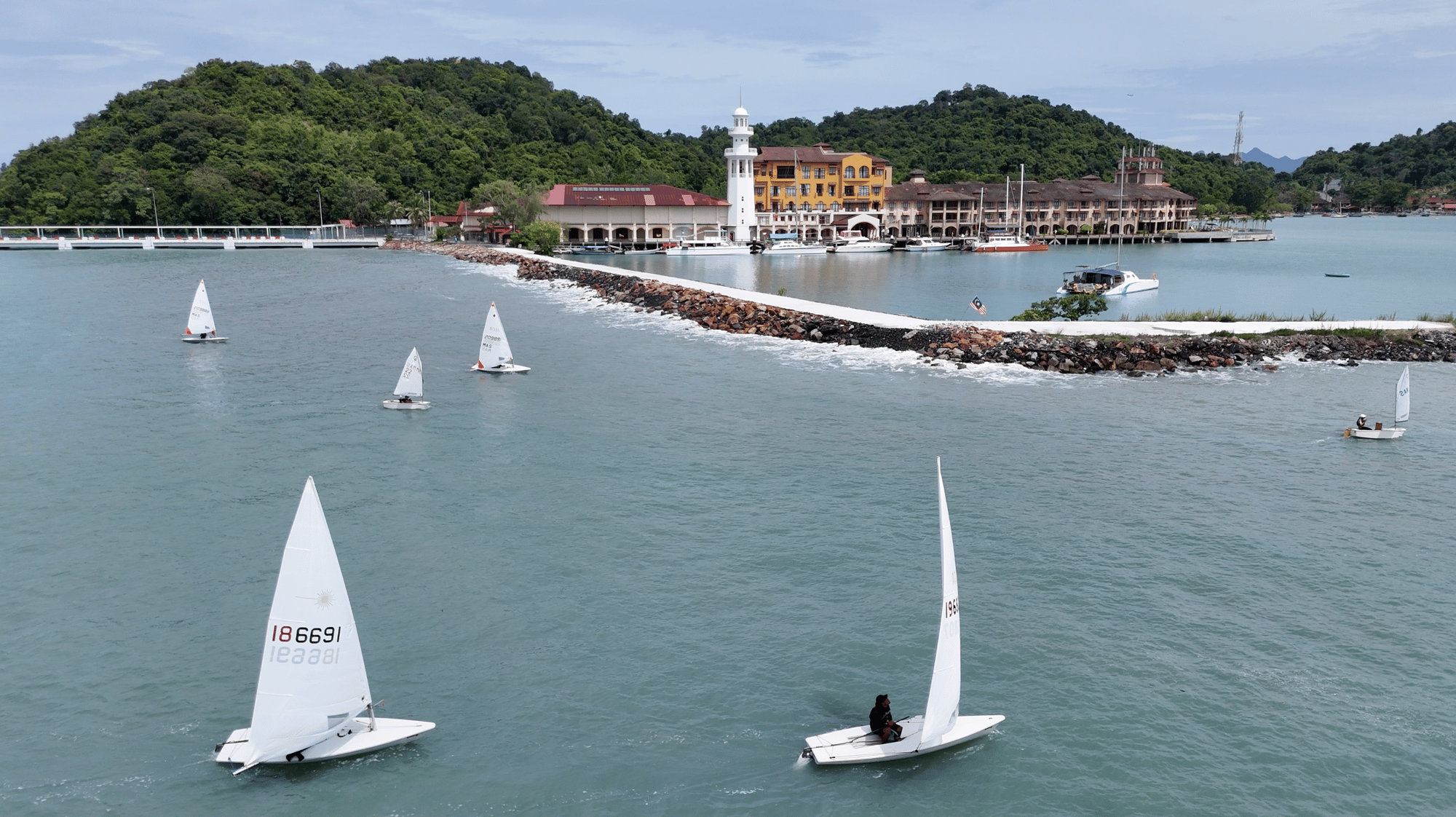
None of these facilities is being presented as an oil-and-gas base, and there is no announced link between them and the Langkasuka programme. They simply show an existing, continuously upgrading marine sector, with a workforce, an international airport and accommodation to match.
Heavier work is a different matter. Large-scale fabrication, gas logistics and processing need much larger facilities and deeper industrial infrastructure than an island can offer. Penang is the obvious candidate for that scale of work: the closest large city, with established industry and an existing marine industry foundation. That is a question of logistics and capacity, not of one state beating another.
Attention to the basin has also been stirred by a post on the Facebook page of Datuk Omar Mustapha, described in the post as a former senior Petronas figure, which he has also shared into other Langkawi Facebook groups. Its headline reads “Gas di laut Kedah, gaji di Pulau Pinang” (gas in Kedah waters, salaries in Penang). The framing turns a technical exploration story into a state-against-state grievance before anything has been found. LangkawiNews reads it as an attempt to attach a political pursuit to the topic, and treats it as one reference point among several, not as the basis of this report.
Nothing has been found, and plenty can still change. If you work in the marine trade, know the basin's history, or have a view on what Langkawi should or should not want from this, tell us in the comments.
Sources: Viridien newsroom (August 2026); PETRONAS/MPM Langkasuka Basin publication; S&P Global Commodity Insights, “Traversing the Frontier: Langkasuka Basin”; Rebak Island Resort & Marina; ONE°15 Marina.