
Beyond The Booze Aisle: What A Duty-Free Island Actually Sells
Langkawi's duty-free status has defined the island's retail identity since 1987 — and the wine aisles visitors expect are still doing brisk business. But look past the imported spirits and there is a quieter story on the shelves: island-made skincare, craft textiles and jewellery, and a small farming scene feeding the resorts. Getting it all here, though, still runs through the island's ageing ferry links.
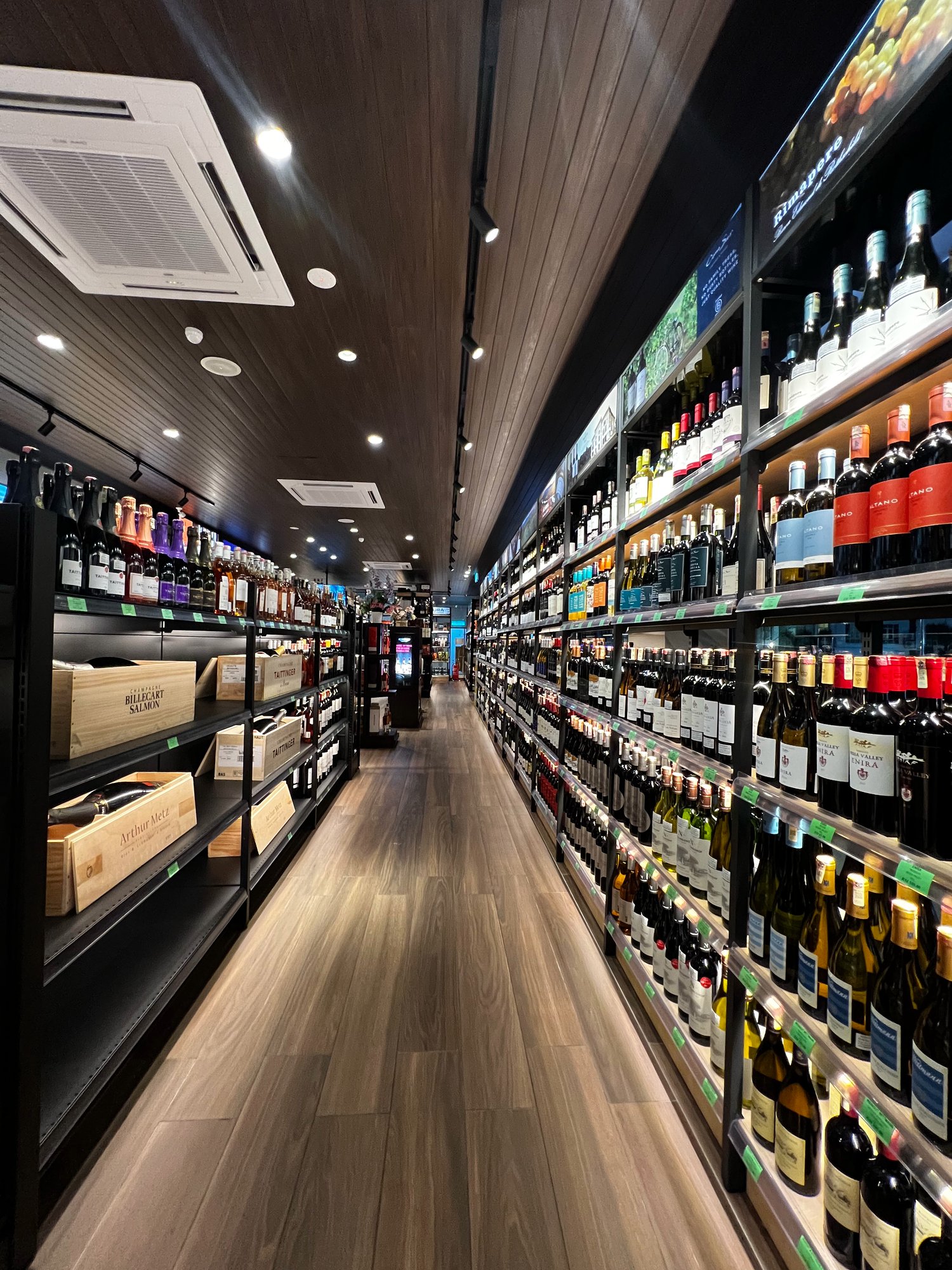
Duty-free is the label Langkawi has carried longer than almost any other — the island's free-port status dates back to 1987, and it remains the headline on most visitor itineraries. Walk into any of the island's larger stores and the appeal is immediate: aisles of imported wine, champagne and spirits, chocolates, cosmetics and perfumes, all priced without the steep import duties that apply across the rest of Malaysia. It remains a genuine pull for visitors from the mainland and beyond, and the stores keep their shelf space — and their best lighting — reserved for exactly those brands. Carrying limits do apply when leaving the island, and customs allowances at the next border are the buyer's to keep track of, but the core proposition is unchanged after nearly four decades.
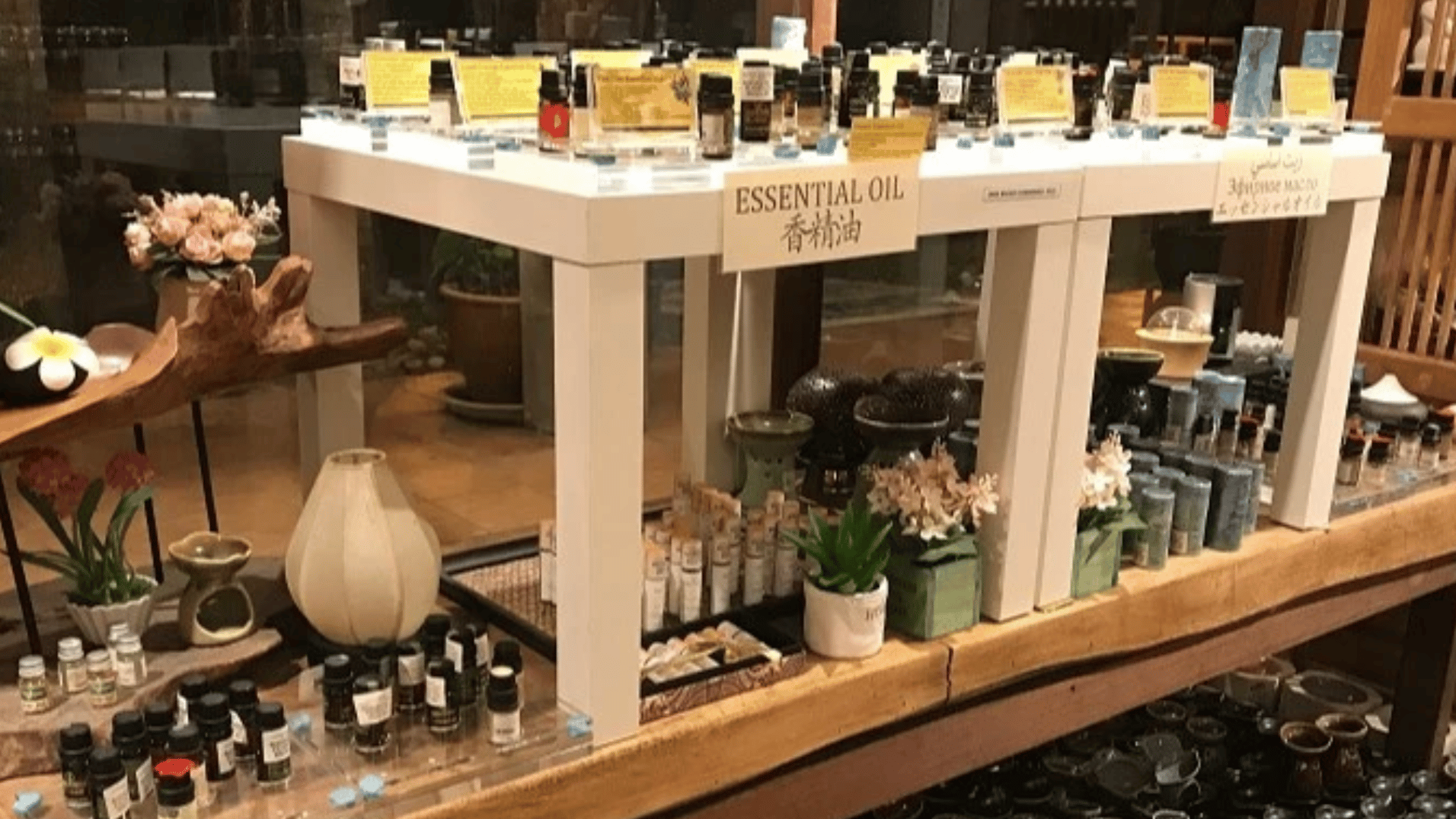
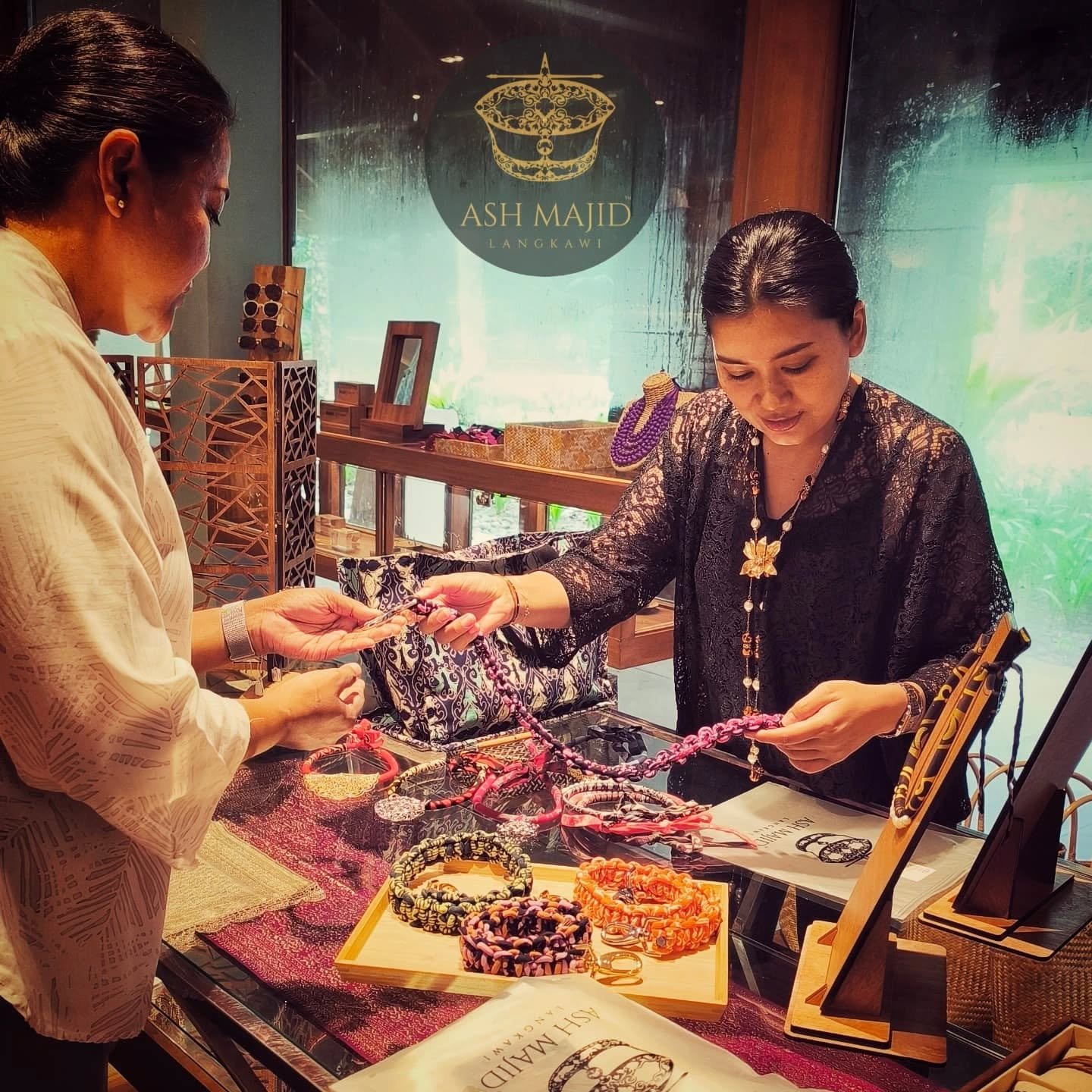
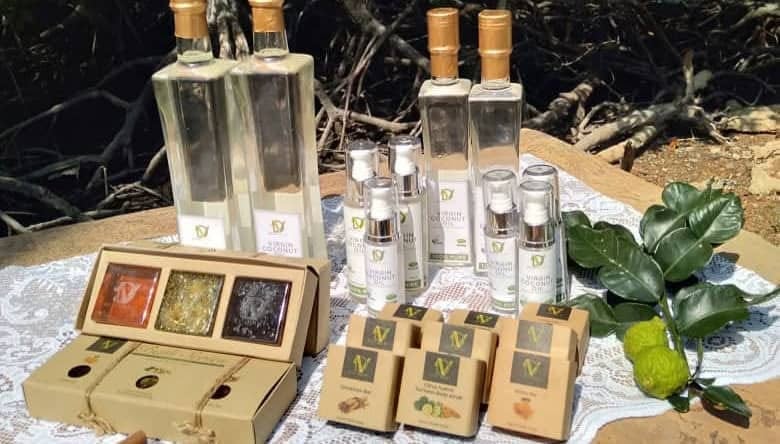
The more interesting retail story, though, is what sits further back in the shop. A growing shelf of products is made on the island rather than merely imported into it: skincare, soaps and tonics built on local botanicals, with ingredients such as lemongrass, pandan and the island's own citrus; aromatherapy and candle lines sold beside the duty-free staples; and craft producers whose work carries the island's name out with visitors' luggage. For an island whose economy leans so heavily on what visitors carry home, the difference between reselling imported goods and making things people want to take home is not a small one.
Even the island's food supply is quietly diversifying. Small growers are now producing microgreens — pea shoots, radish and basil among them — for Langkawi's hotels and restaurants, produce that once arrived by air from the mainland and now gets cut the same morning it is served. In a place where most fresh food historically travelled by ferry or by plane, having greens grown within reach of the resorts they supply is a small but telling shift.
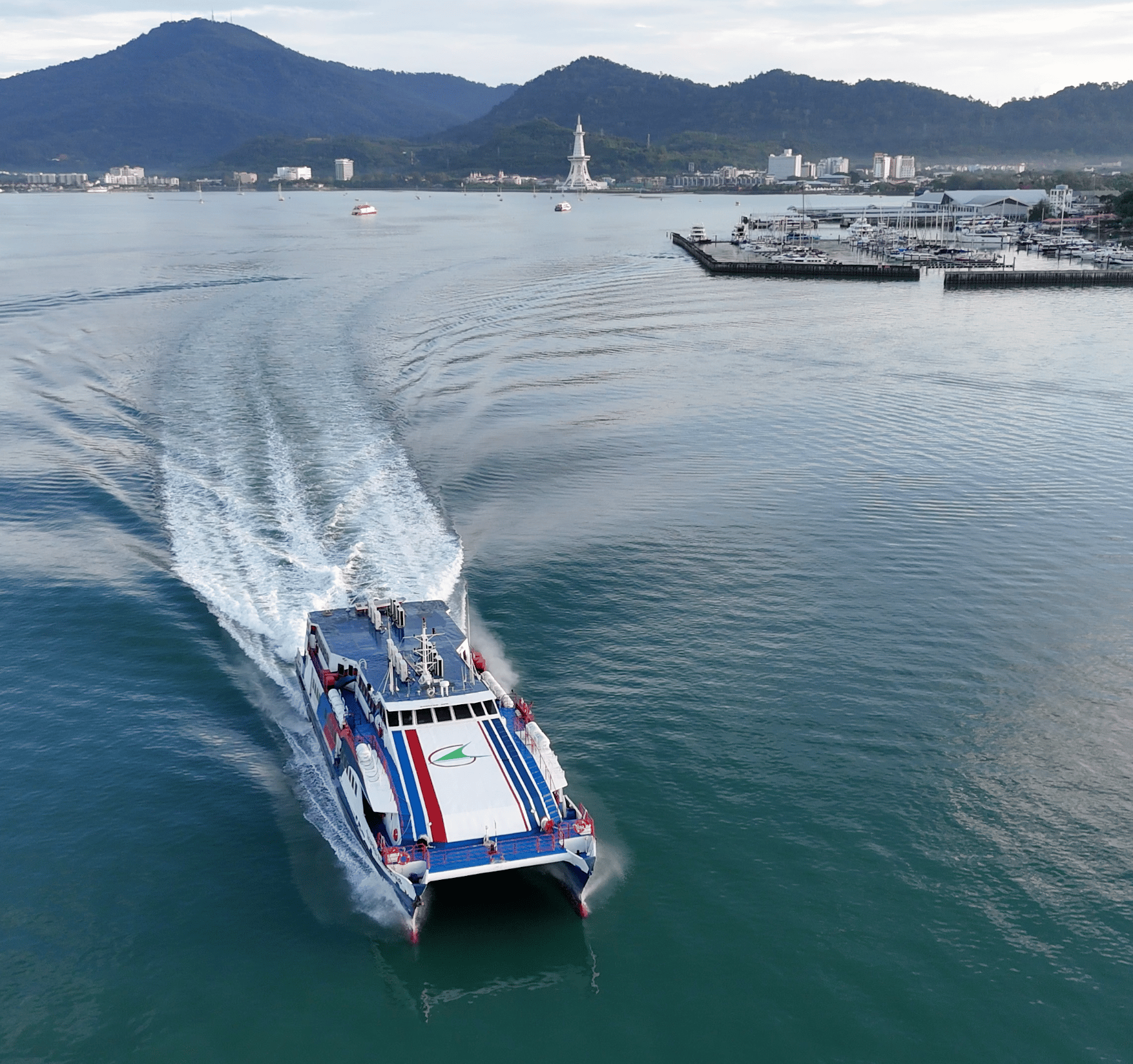
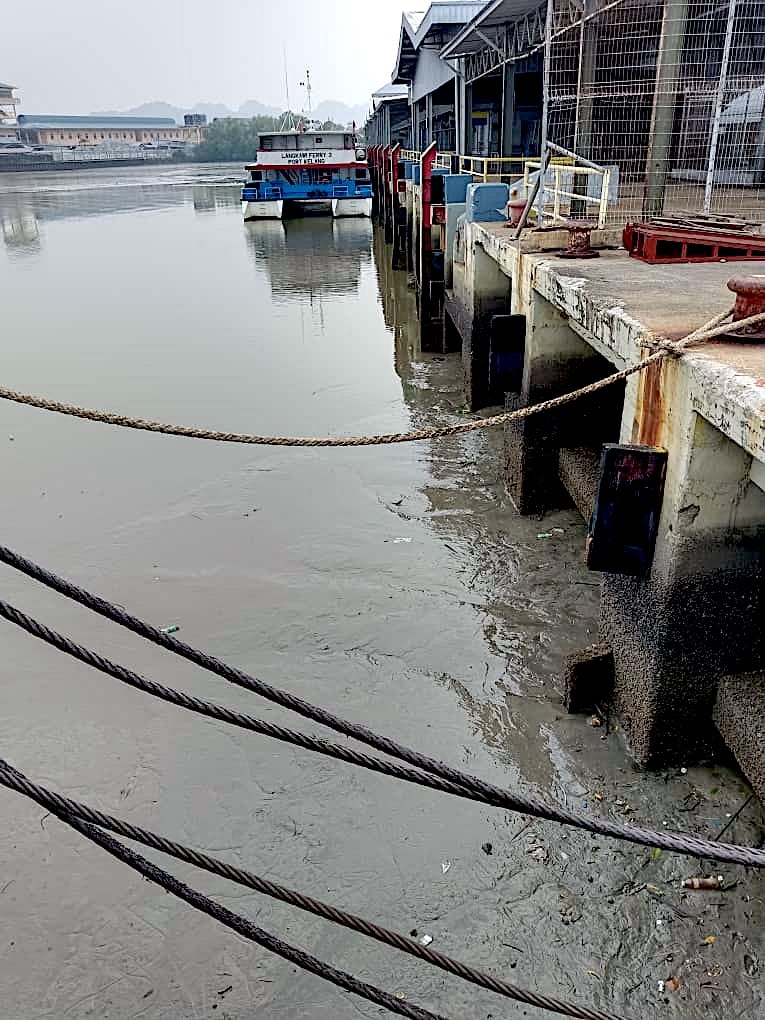
Which brings the story back to the water. Almost everything the island sells — imported or homegrown — still arrives by ferry, and the island's links to the mainland remain the working arteries behind the retail front. The passenger catamarans that slip into Kuah past Eagle Square bring both shoppers and supplies; the RORO vehicle ferries carry the rest. At the mainland end, the Kuala Perlis jetty's long-running silting problem continues to shape when and how those boats can dock, a reminder that the free port's shelves ultimately depend on dredgers as much as distributors.
None of this dethrones the wine aisle — the duty-free staples will always be part of why visitors come. But an island retail economy that now spans handmade craft, skincare grown from local botanicals and produce cut the same morning it is served is a broader proposition than the 1987 label suggests. Duty-free brought the visitors. What keeps them carrying things home is increasingly made here.