
Langkawi Draws 590 Delegates From 22 Nations For 9th APGN Symposium
The four-day gathering at LICC also launched International Day of Caves and Karst, with officials casting Langkawi's geopark status as a driver of conservation, research and the local economy alike.
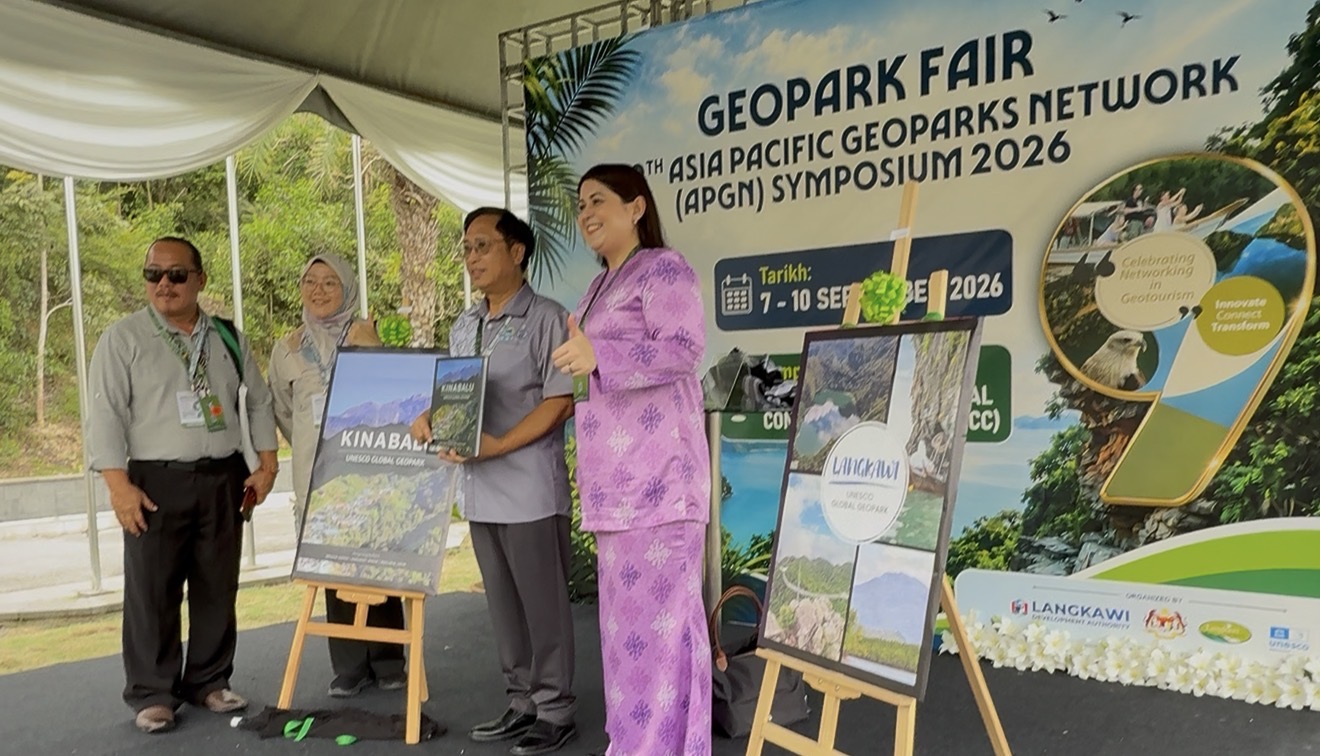
KUAH — Langkawi drew 590 delegates from 22 countries this week as the 9th Asia Pacific Geopark Network (APGN) Symposium 2026 opened at the Langkawi International Convention Centre, with organisers casting the four-day event, running from 7 to 10 September, as proof the island can serve as a working model for international geopark development.
The opening ceremony was officiated by Malaysia's Deputy Minister of Natural Resources and Environmental Sustainability (NRES), who welcomed delegates, experts, researchers and geopark practitioners from within Malaysia and abroad. In prepared remarks, the Deputy Minister described the symposium as recognition of Malaysia's capacity — and Langkawi UNESCO Global Geopark's in particular — to drive conservation, education, research and sustainable tourism on a global stage.
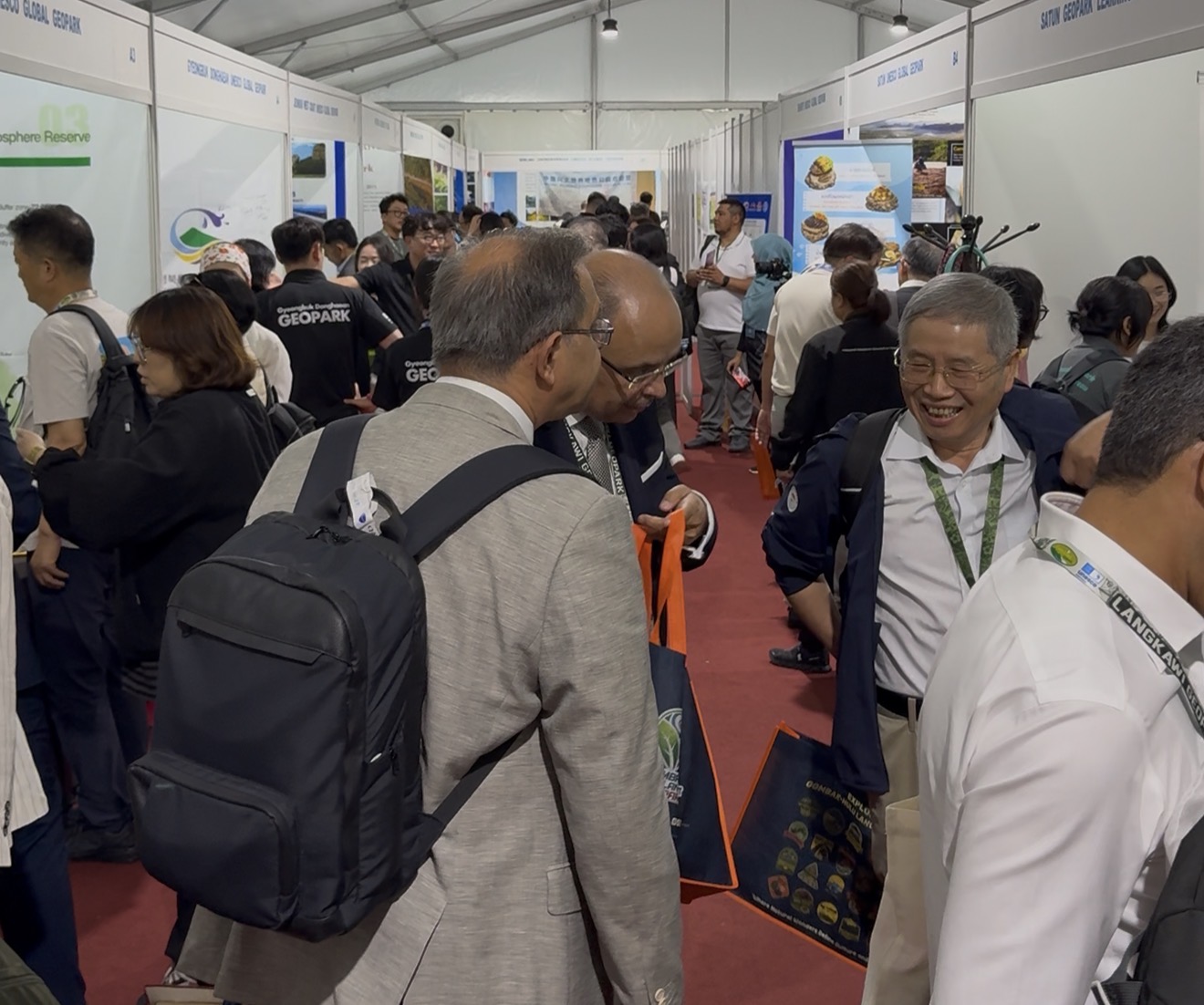
By the numbers, the symposium brings together 114 geoparks from across the Asia-Pacific region and beyond, with 190 scientific papers and 35 poster presentations scheduled across the four days. A parallel Geopark Fair has drawn 36 participating geoparks showcasing products, innovations and best practices from their own sites.
“Langkawi holds a special position, with a geological heritage that shapes its identity as a UNESCO Global Geopark,” the Deputy Minister said in remarks released by the Langkawi Development Authority (LADA), the symposium's local organiser. “We want this heritage not only preserved for future generations, but turned into a catalyst for job opportunities, skills development and economic sustainability for the local community.”
The same ceremony saw the Deputy Minister launch International Day of Caves and Karst, a new global initiative the ministry says is especially relevant to Malaysia given its limestone formations, caves and karst landscapes. Officials framed the launch around five aims: raising public awareness of caves and karst as high-value natural heritage; encouraging research and knowledge-sharing on the geology, biodiversity, ecology and groundwater systems tied to karst areas; strengthening sustainable cave conservation and management as development, tourism and climate change put those sites under pressure; promoting a more responsible model of cave tourism that generates economic benefit without damaging cave and karst ecosystems; and empowering local communities to take part in — and benefit from — conservation of the natural heritage on their own doorstep.
Ministry officials said the government views geoparks as more than rock formations, mountains or caves, describing the concept as one that combines environmental conservation with education, research, sustainable tourism and community wellbeing. NRES said it hopes APGN2026 will produce stronger cooperation among Asia-Pacific geoparks in research, education, conservation, geotourism product development and community involvement — and that the networks formed at the symposium continue afterward as concrete projects, joint research and expertise-exchange programmes.
LADA said the symposium reinforces Langkawi's role as a meeting point for the region's geopark community, and reiterated its commitment to keeping the island competitive and innovative as a world tourism destination — one it hopes other geoparks internationally can look to as a reference point.